Exploring Urbanization: Trends and Challenges in Cities
- שלמה נטר
- 6 hours ago
- 5 min read

Urbanization is one of the most significant phenomena shaping our world today. As more people flock to cities in search of better opportunities, the landscape of urban life is rapidly changing. This blog post delves into the trends and challenges associated with urbanization, providing insights into how cities are evolving and what that means for their inhabitants.
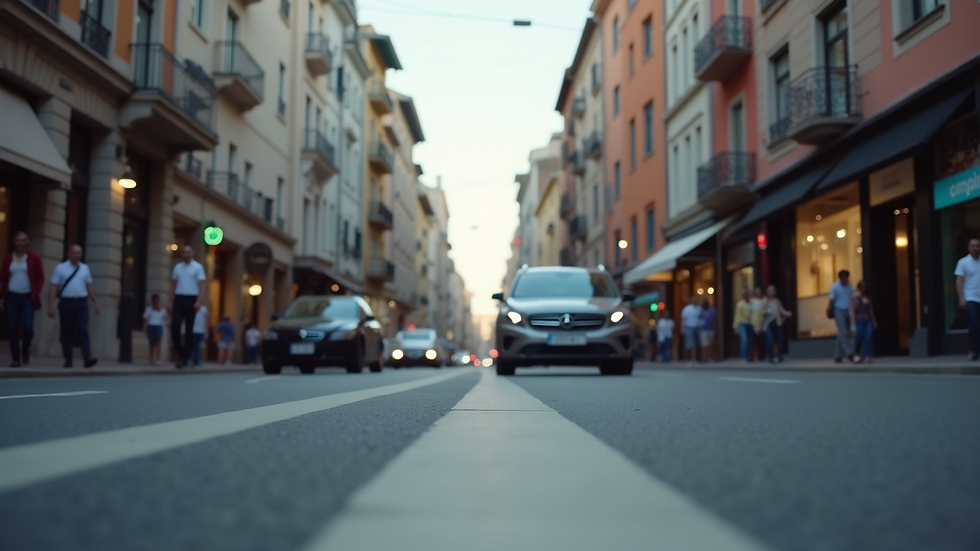
Understanding Urbanization
Urbanization refers to the increasing population shift from rural to urban areas. This trend is driven by various factors, including economic opportunities, better access to services, and improved living standards. According to the United Nations, by 2050, approximately 68% of the world's population is expected to live in urban areas, up from 55% in 2018. This shift presents both opportunities and challenges for cities.
Key Drivers of Urbanization
Economic Opportunities
Cities often provide more job opportunities than rural areas. Industries, services, and technology sectors are concentrated in urban environments, attracting individuals seeking employment.
Access to Services
Urban areas typically offer better access to healthcare, education, and social services. This accessibility is a significant draw for families and individuals looking to improve their quality of life.
Infrastructure Development
As cities grow, they often invest in infrastructure improvements, such as transportation systems, utilities, and public spaces. These developments can enhance the overall living experience.
Trends in Urbanization
As urbanization continues to evolve, several trends are emerging that shape the future of cities.
Smart Cities
The concept of smart cities is gaining traction as technology becomes more integrated into urban planning. Smart cities utilize data and technology to improve the quality of life for residents. This includes:
Traffic Management: Using sensors and data analytics to optimize traffic flow and reduce congestion.
Energy Efficiency: Implementing smart grids and renewable energy sources to lower carbon footprints.
Public Safety: Employing surveillance and emergency response technologies to enhance security.
Sustainable Urban Development
With the growing awareness of climate change, cities are increasingly focusing on sustainable development. This trend includes:
Green Spaces: Creating parks and recreational areas to improve air quality and provide residents with natural environments.
Public Transportation: Investing in efficient public transit systems to reduce reliance on cars and lower emissions.
Sustainable Housing: Promoting eco-friendly building practices and materials to minimize environmental impact.
Urban Resilience
As cities face challenges such as climate change, natural disasters, and economic fluctuations, urban resilience has become a priority. This involves:
Disaster Preparedness: Developing plans and infrastructure to withstand and recover from disasters.
Community Engagement: Involving residents in decision-making processes to build stronger, more cohesive communities.
Economic Diversification: Encouraging a variety of industries to reduce vulnerability to economic downturns.
Challenges of Urbanization
While urbanization brings numerous benefits, it also poses significant challenges that cities must address.
Overpopulation
Rapid urban growth can lead to overpopulation, straining resources and infrastructure. Cities may struggle to provide adequate housing, transportation, and public services. This can result in:
Housing Shortages: Increased demand for housing can drive up prices, making it difficult for low-income families to find affordable options.
Traffic Congestion: More residents often mean more vehicles on the road, leading to longer commute times and increased pollution.
Environmental Impact
Urbanization can have detrimental effects on the environment. Key issues include:
Air Pollution: Increased vehicle emissions and industrial activity contribute to poor air quality, impacting public health.
Waste Management: Growing populations generate more waste, challenging cities to develop effective waste management systems.
Loss of Green Spaces: Urban sprawl can lead to the destruction of natural habitats and green areas, reducing biodiversity.
Social Inequality
Urbanization can exacerbate social inequalities, as not all residents benefit equally from economic growth. Issues include:
Income Disparity: The gap between wealthy and low-income residents can widen, leading to social tensions.
Access to Services: Marginalized communities may struggle to access essential services such as healthcare and education.
Case Studies of Urbanization
Examining specific cities can provide valuable insights into the trends and challenges of urbanization.
Tokyo, Japan
Tokyo is one of the largest cities in the world, with a population of over 37 million. The city has embraced smart technology to improve urban living. For example, Tokyo's public transportation system is renowned for its efficiency, utilizing real-time data to manage schedules and reduce wait times. However, Tokyo also faces challenges such as aging infrastructure and the need for disaster preparedness due to its vulnerability to earthquakes.
Lagos, Nigeria
Lagos is experiencing rapid urbanization, with its population expected to reach 24 million by 2025. The city is grappling with significant challenges, including traffic congestion and inadequate housing. In response, Lagos has initiated projects to improve public transportation and develop affordable housing. However, social inequality remains a pressing issue, with many residents living in informal settlements.
Copenhagen, Denmark
Copenhagen is often cited as a model for sustainable urban development. The city has invested heavily in cycling infrastructure, making it one of the most bike-friendly cities in the world. Additionally, Copenhagen aims to become carbon neutral by 2025 through initiatives such as renewable energy and green building practices. The city's focus on sustainability has made it an attractive destination for residents and tourists alike.
The Future of Urbanization
As urbanization continues to shape our world, it is essential for cities to adapt and innovate. Here are some potential future trends:
Increased Focus on Inclusivity
Cities may prioritize inclusivity by ensuring that all residents have access to opportunities and services. This could involve:
Affordable Housing Initiatives: Developing policies to create more affordable housing options for low-income families.
Community Programs: Supporting programs that promote social cohesion and engagement among diverse populations.
Enhanced Collaboration
Collaboration between governments, businesses, and communities will be crucial for addressing urban challenges. This could include:
Public-Private Partnerships: Working together to fund and implement infrastructure projects.
Community Engagement: Involving residents in urban planning processes to ensure their needs are met.
Technological Advancements
As technology continues to evolve, cities will likely leverage new innovations to improve urban living. This could involve:
Artificial Intelligence: Utilizing AI to optimize city services, such as waste management and traffic control.
Smart Infrastructure: Investing in smart buildings and energy systems to enhance efficiency and sustainability.
Conclusion
Urbanization is a complex and multifaceted phenomenon that presents both opportunities and challenges for cities around the world. As more people move to urban areas, it is crucial for city planners, governments, and communities to work together to create sustainable, inclusive, and resilient urban environments. By embracing innovation and prioritizing the needs of all residents, cities can thrive in the face of rapid change.
As we look to the future, it is essential to remain engaged in discussions about urbanization and its impact on our lives. Whether through community involvement, advocacy for sustainable practices, or simply staying informed, each of us has a role to play in shaping the cities of tomorrow.


Comments